Hailstorms in Idaho: Why You Need a Plan
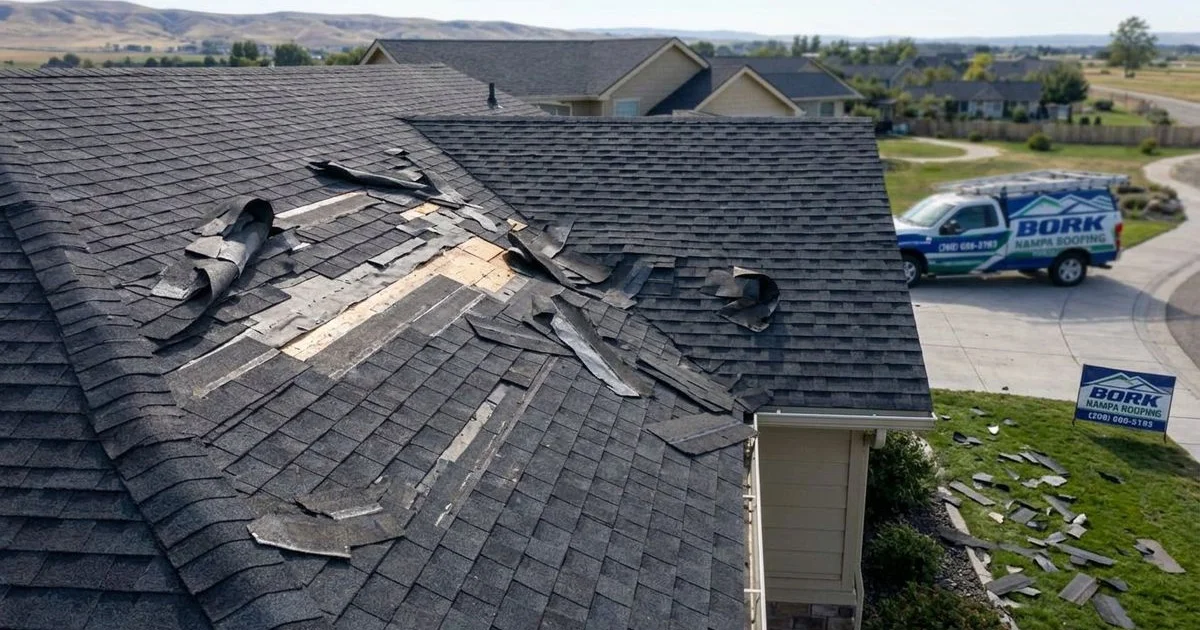
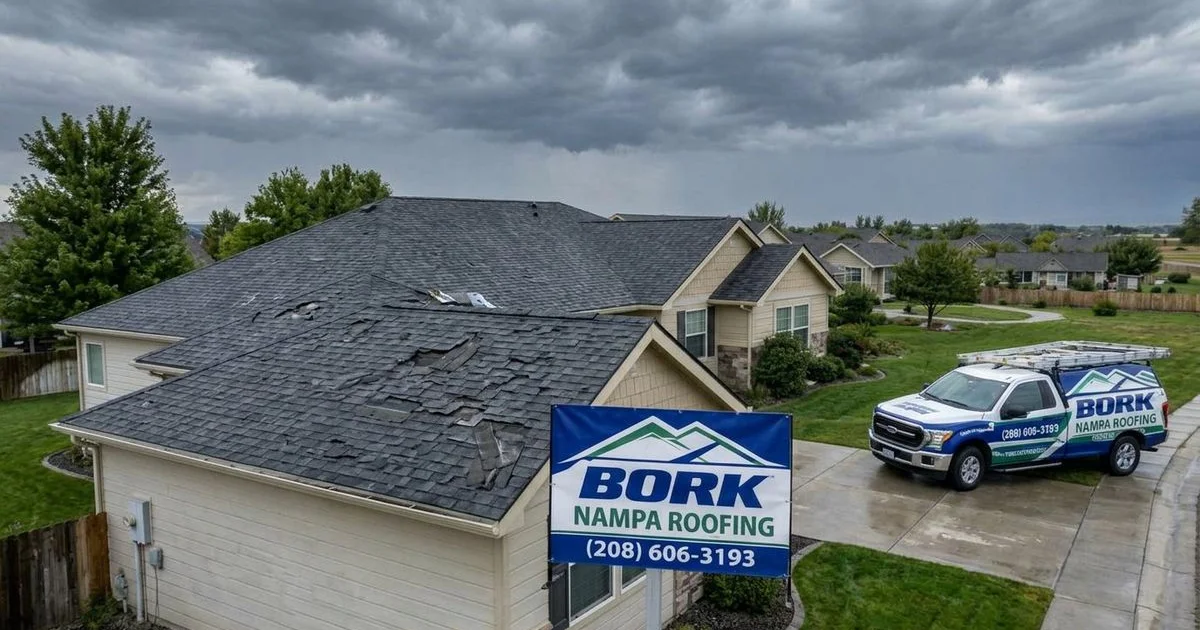
Nampa and the surrounding Treasure Valley sit in one of Idaho’s most active hail corridors. Between May and September, severe thunderstorms regularly push through Canyon County, bringing hailstones that range from pea-sized to golf ball-sized. Even smaller hail can crack shingles, dislodge protective granules, and create weak points that lead to leaks months later.
Having a plan before the next storm hits saves you time, money, and stress. This checklist walks you through exactly what to do after hail damages your roof, from the moment the storm clears to the day your repairs are complete.
Step 1: Prioritize Safety Above Everything
Your roof can be repaired. Your safety cannot be compromised. Before you step outside after a hailstorm, follow these precautions:
- Wait until the storm fully passes. Hailstorms in the Treasure Valley often arrive with lightning and high winds. Do not go outside until conditions are calm.
- Watch for downed power lines. Stay at least 30 feet away from any fallen lines and call Idaho Power to report them.
- Never climb onto your roof. Wet, damaged shingles are dangerously slippery. Hail-weakened materials may give way under your weight. Leave roof access to licensed professionals with fall protection equipment.
- Check inside your home first. Look for water stains on ceilings, dripping in the attic, or cracks around skylights. These signs point to active leaks that need immediate attention.
If water is actively entering your home, place buckets under the drip points and move furniture away from the affected area while you arrange for professional help.
Step 2: Document the Damage Thoroughly
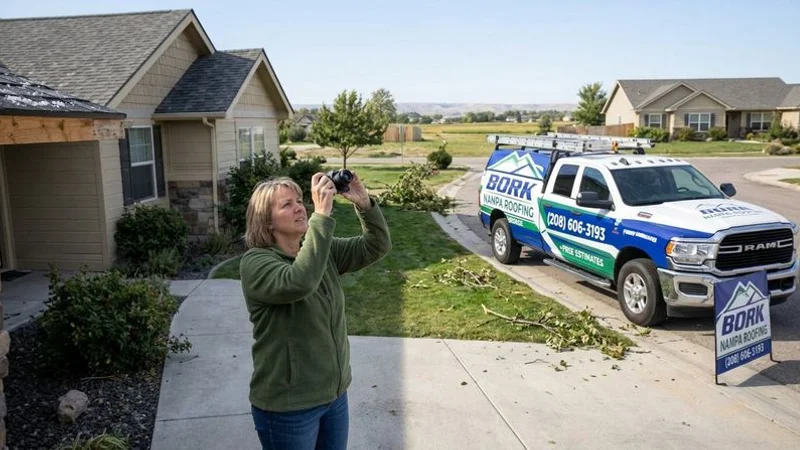
Before you clean up, repair anything, or call anyone, grab your phone and document every piece of damage you can see. This documentation is the foundation of your insurance claim.
Photograph these items from ground level:
- Your roof from all four sides of the property (use your phone’s zoom feature)
- Dents and dings on gutters, downspouts, and fascia boards
- Cracked or missing shingles visible from below
- Damage to siding, window screens, and outdoor AC units
- Dented vehicles, damaged patio furniture, and broken landscaping features
- Hailstones on the ground (place a quarter next to them for size reference)
Create a written record that includes:
- The exact date and approximate time the storm occurred
- How long the hail lasted and the approximate stone size
- Weather alerts you received on your phone (take screenshots)
- Contact information for neighbors who also sustained damage
This level of detail strengthens your claim and gives the insurance adjuster clear evidence to work with.
Step 3: Make Temporary Repairs to Prevent Further Damage
Idaho homeowner insurance policies require you to take reasonable steps to prevent additional damage after a covered event. This does not mean making permanent repairs. It means stopping water from causing more harm while you wait for the claims process to play out.
Reasonable temporary measures include:
- Placing tarps over exposed sections where shingles are missing
- Sealing visible cracks around flashing or vents with roofing sealant
- Clearing debris from gutters so water drains properly
- Boarding up broken skylights or roof windows
Important: Keep all receipts for materials you purchase. Tarp, sealant, buckets, and other emergency supplies are often reimbursable under your policy. Do not make permanent repairs until the insurance adjuster has inspected the damage.
Step 4: Call Your Insurance Company Promptly
Contact your homeowner’s insurance provider as soon as possible to report the damage. Most Idaho policies have filing deadlines for storm damage claims, and delays can complicate or jeopardize your coverage.
When you call, have the following ready:
- Your policy number
- The date and time of the hailstorm
- A summary of the damage you have observed
- Your photos and written documentation from Step 2
The insurer will assign you a claim number and schedule an adjuster visit, usually within one to two weeks. After widespread hailstorms in the Treasure Valley, this timeline can stretch longer because adjusters are handling hundreds of claims simultaneously.
Step 5: Schedule a Professional Roof Inspection
Before the insurance adjuster arrives, schedule an independent roof inspection with a local contractor. This serves two critical purposes.
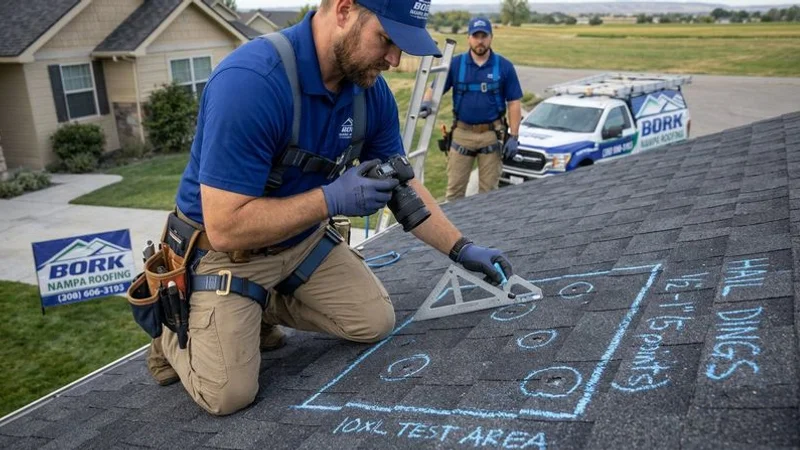
First, a trained roofing professional identifies damage that is invisible from the ground. Hail impacts fracture the fiberglass mat beneath shingle granules, create soft spots around penetrations, and compromise flashing seals. These issues are only detectable during a hands-on inspection.
Second, your contractor’s detailed report provides an independent estimate you can compare against the adjuster’s findings. If the insurance settlement comes in low, your contractor’s documentation gives you grounds to request a supplement.
At Bork Roofing, our post-storm inspections are free, thorough, and designed specifically to support insurance claims. We document every finding with close-up photos, measurements, and written descriptions that adjusters take seriously.
Step 6: Be Present for the Insurance Adjuster Visit
When the adjuster arrives, walk the property with them. Point out every item you documented and share your photos. If your roofing contractor can be present during this visit, even better. A knowledgeable contractor can direct the adjuster’s attention to damage they might otherwise overlook and explain why specific repairs are necessary rather than cosmetic patches.
During the adjuster visit:
- Ask the adjuster to explain what they are noting at each stop
- Share your contractor’s inspection report and estimate
- Request a copy of the adjuster’s final report
- Do not accept a verbal settlement offer on the spot
Step 7: Review the Settlement and Begin Repairs
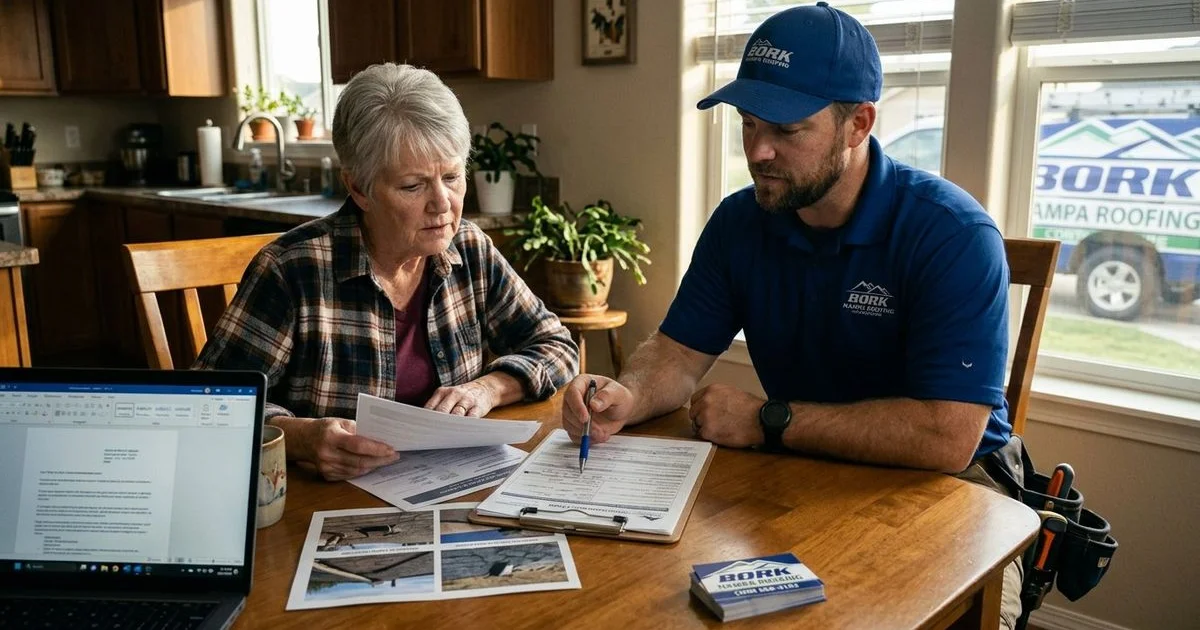
Once you receive the insurance settlement, compare it line by line with your contractor’s estimate. The settlement should cover materials, labor, tear-off, disposal, code-required upgrades under Canyon County building regulations, and permit fees. If anything is missing, your contractor can help you file a supplement with additional documentation.
With the claim settled, schedule your storm damage repair with a licensed, insured, local contractor. Avoid storm chasers who travel from out of state after major weather events. These operators often perform substandard work and are impossible to reach if problems arise later.
Step 8: Protect Your Home Before the Next Storm
After repairs are complete, take steps to make your home more resilient for the next Idaho hailstorm:
- Upgrade to Class 4 impact-resistant shingles. Many Idaho insurers offer premium discounts for this upgrade, and the shingles withstand larger hailstones without cracking.
- Install gutter guards to keep debris from blocking drainage during storms.
- Trim overhanging tree branches that could break and damage your roof during high winds.
- Schedule regular roof inspections twice a year to catch small problems before they become expensive ones.
Bork Nampa Roofing Is Here When the Storm Hits
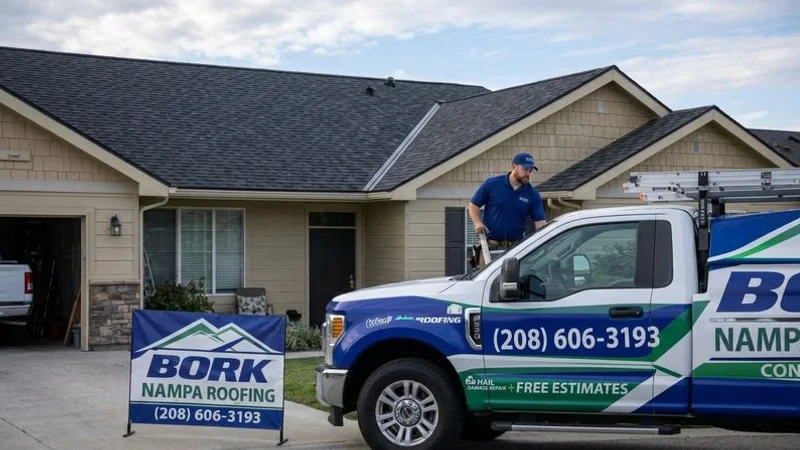
Hailstorms do not wait for a convenient time, and neither do we. Bork Nampa Roofing Contractors provides same-day storm damage response throughout the Treasure Valley. We handle everything from the initial inspection to working directly with your insurance company, so you can focus on your family instead of your roof.
Call us at (208) 606-3193 for a free post-storm roof inspection, or schedule your inspection online. We respond fast because we know every hour counts after a hailstorm.

Bork Roofing Team
Licensed Roofing Contractor
Licensed roofing contractors serving Nampa and the Treasure Valley.