Repair or Replace? The Question Every Homeowner Faces
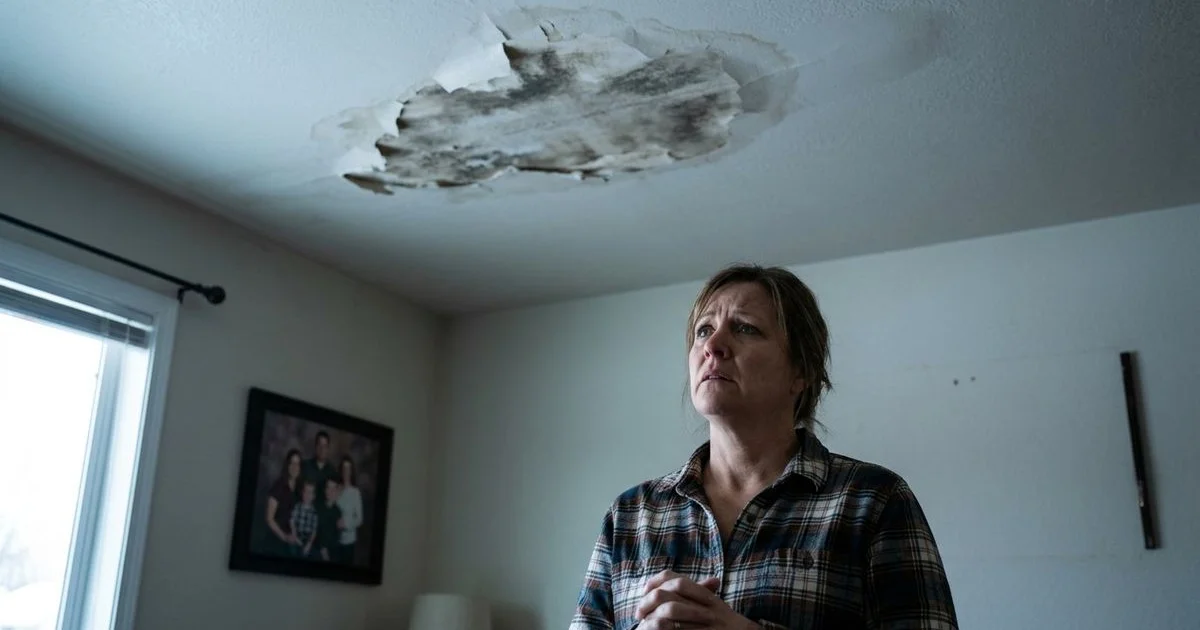
You spot a water stain on the ceiling. Panic sets in. We see this situation every day.
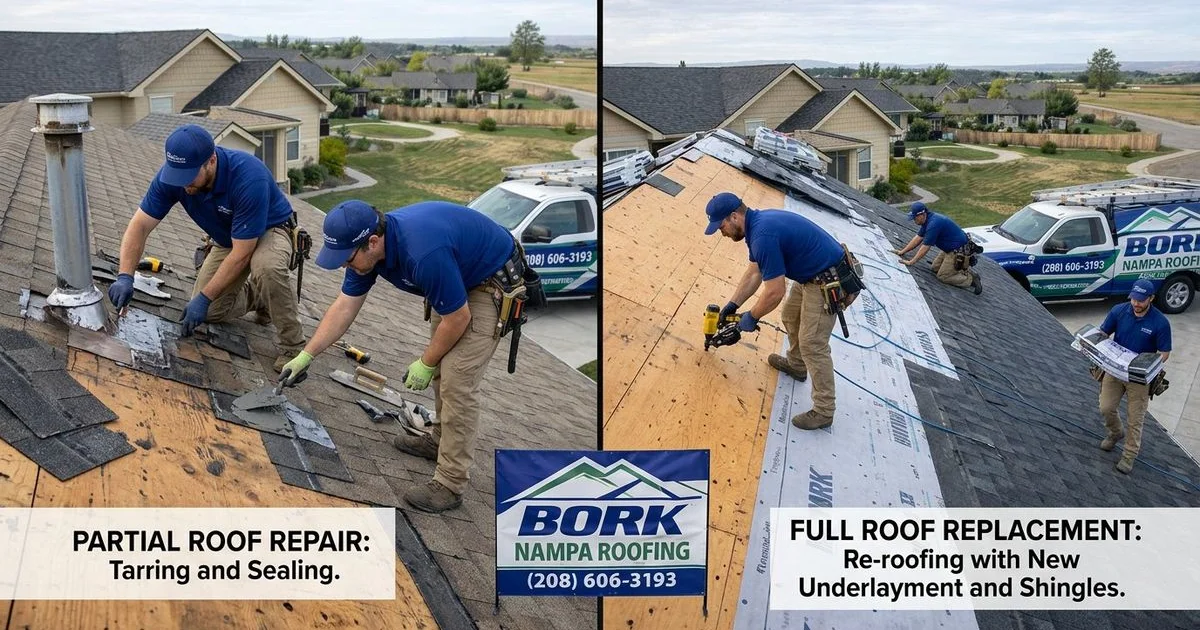
The first decision you need to make is whether to fix the specific issue or replace the entire roof. This is not always a straightforward call. A repair costs less in the short term, but if your roof is nearing the end of its life, you could spend hundreds on patches only to need a full replacement shortly after.
On the other hand, a complete roof replacement is a major investment. If your roof has plenty of life left and the damage is localized, a well-done repair can keep it performing for years to come.
Here is a practical framework for making this decision based on the factors that actually matter.
Factor 1: The Age of Your Roof
Age is the single most important variable in the repair-versus-replace equation.
- Under 10 years old: Repair is almost always the right call. Most damage at this stage is localized—storm impact, a failed vent boot, or isolated flashing issues. Your shingles and underlayment still have significant life left.
- 10 to 20 years old: Repair makes sense for isolated problems, but start planning for replacement. This is the sweet spot where proactive maintenance extends your roof’s useful life.
- Over 20 years old: Replacement becomes the stronger option for any significant issue. An aging roof has deteriorated underlayment, weakened adhesive bonds, and reduced granule protection across the entire surface. Repairing one area does not address the systemic decline.
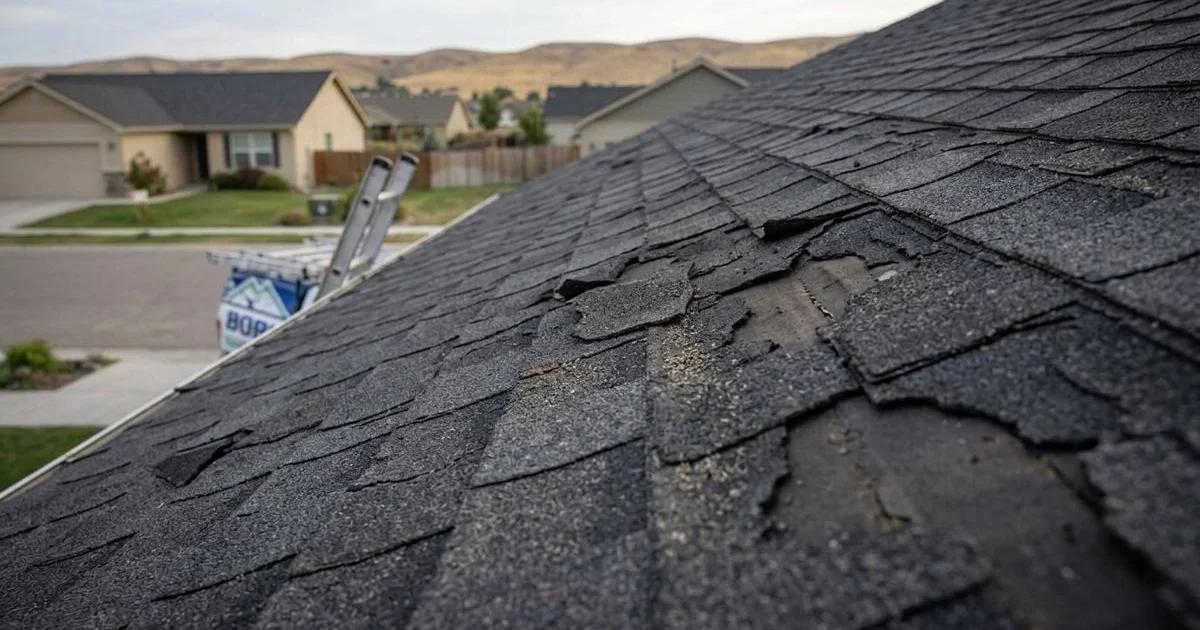
For Nampa homeowners, Idaho’s climate can accelerate aging. Intense summer UV, winter freeze-thaw cycles, and hailstorms mean your roof may show its age faster than manufacturer warranties suggest. We often see “thermal shock” in our region where rapid temperature swings cause shingles to expand and contract, leading to cracks long before the 25-year mark.
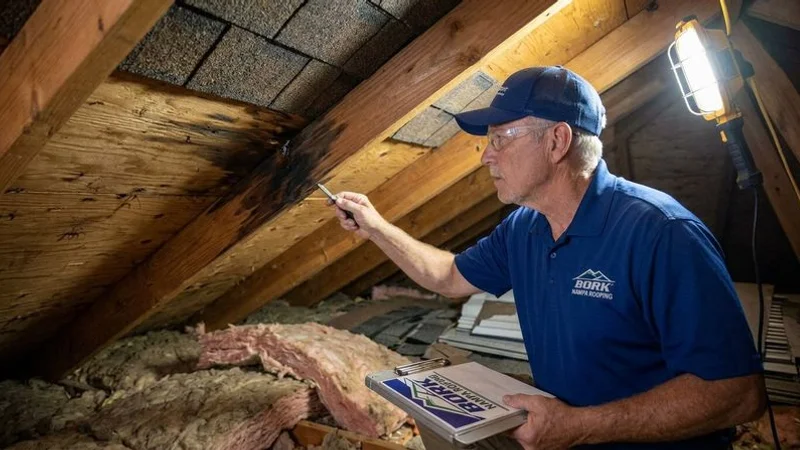
Factor 2: The Extent of the Damage
How much of your roof is affected determines whether repair is practical.
The “Brittleness Test” One specific way we check repairability is the “brittleness test.” We gently lift a shingle tab 45 to 90 degrees. If the shingle cracks or breaks immediately, the mat has dried out. This means a repair is impossible because lifting the surrounding shingles to slide a new one in will only cause more damage.
Repair is appropriate when:
- Damage is confined to one area (a few shingles, one section of flashing)
- Less than 25 percent of the roof surface is affected
- The decking underneath is sound
- The damage has a clear, specific cause (fallen branch, isolated storm impact)
Replacement is the better choice when:
- Damage spans multiple areas or the entire roof
- More than 30 percent of the surface shows wear, curling, or granule loss
- The decking has soft spots or rot in multiple locations
- Multiple repair issues are occurring simultaneously (flashing failure plus shingle deterioration plus vent leaks)
A roof with problems in three or four different areas is telling you the entire system is reaching end of life, not just the parts that failed first.
Factor 3: Cost Analysis Over Time
This is where many homeowners make a mistake. They compare today’s repair bill to today’s replacement cost and choose the cheaper option without considering the long-term math.
The 50% Rule A standard industry guideline we follow is the “50% Rule.” If the cost of the repair exceeds 50% of the cost of a new roof, you should replace it. In 2026, with the average asphalt roof replacement in Idaho hovering around $15,000 depending on size, a $7,500 repair bill for an older roof is rarely a wise investment.
Consider this scenario for a Nampa home:
- Repair option: $800 now for a flashing repair, then $600 next year for a vent boot, then $1,200 the year after for shingle replacement in a problem area, then a full replacement in three to five years anyway. Total: $2,600 in repairs plus the full replacement cost.
- Replacement option: $15,000 now for a complete re-roof with a 25 to 30-year warranty and zero repair costs for the foreseeable future.
When your roof is older than 15 years and repairs are becoming a recurring expense, replacement gives you a fresh start, a new warranty, and predictable performance for decades.
Factor 4: Your Plans for the Home
How long you plan to stay in your home matters.
If you are selling within the next two to three years: A full replacement provides one of the highest returns on investment of any home improvement project. According to the 2025 Remodeling Impact Report by the National Association of Realtors, a new roof is one of the only projects that can recover 100% of its cost at resale. A new roof removes a major objection from buyers and can increase your sale price. However, if the roof is in reasonable condition with minor issues, targeted repairs and a clean inspection report may be sufficient to satisfy buyers and appraisers.
If you are staying long-term: Replacement is the investment that pays dividends for decades. You get to choose the exact materials, colors, and features you want, and you will not be dealing with ongoing repair bills.
Factor 5: Insurance Considerations
If your roof was damaged by a covered event—hail, wind, fallen tree—your homeowner’s insurance may pay for the repair or replacement. In many cases, insurance adjusters will approve a full replacement when the damage exceeds a certain threshold, even if the homeowner initially only reported a repair need.
ACV vs. RCV Policies It is critical to know if you have an Actual Cash Value (ACV) or Replacement Cost Value (RCV) policy.
- RCV: Pays the full cost to replace the roof at today’s prices, minus your deductible.
- ACV: Only pays the depreciated value of the roof. If your 20-year-old roof is worth only $500 on paper due to age, that is all you get, leaving you to pay the rest of the $15,000 bill.
Understanding your policy’s coverage and deductible is important before making a decision. A roofing contractor experienced with insurance claims can help you navigate this process and ensure you receive the full benefit your policy provides.
The Decision Matrix
Here is a simple way to think about it:
| Feature | Choose Repair If… | Choose Replacement If… |
|---|---|---|
| Roof Age | Under 15 years old | Over 20 years old |
| Damage Extent | Localized to one small area (<25%) | Widespread or multiple areas (>30%) |
| Shingle Condition | Flexible, granules intact | Brittle, cracking, bald spots |
| Repair History | No recent repairs | Already repaired in last 2-3 years |
| Cost Ratio | Cost is <20% of replacement | Cost approaches 50% of replacement |
The gray zone (15 to 20 years, moderate damage): Get a professional inspection. An experienced roofer can assess the remaining useful life of your roof and give you an honest recommendation. Sometimes a targeted repair buys you three to five more years of service, which may be exactly what you need.
Getting an Honest Assessment
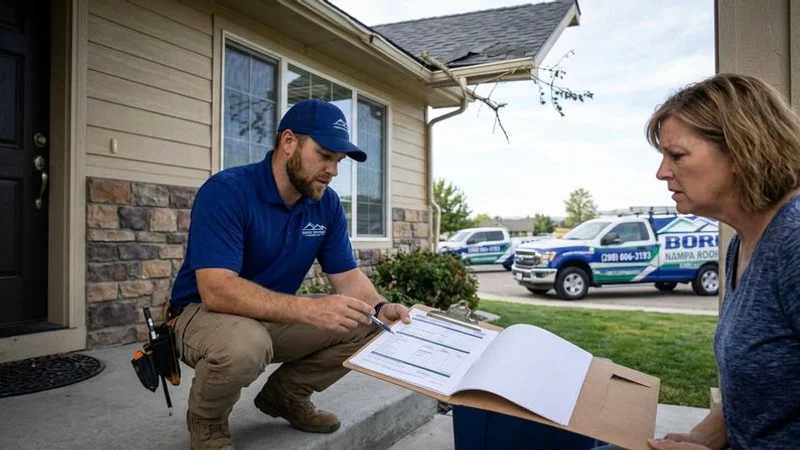
The key to making the right choice is working with a contractor who gives you the full picture, not one who pushes the most expensive option. Ask your contractor to show you their findings, explain the condition of your roof’s key components (shingles, underlayment, flashing, decking, ventilation), and provide a written recommendation with reasoning.
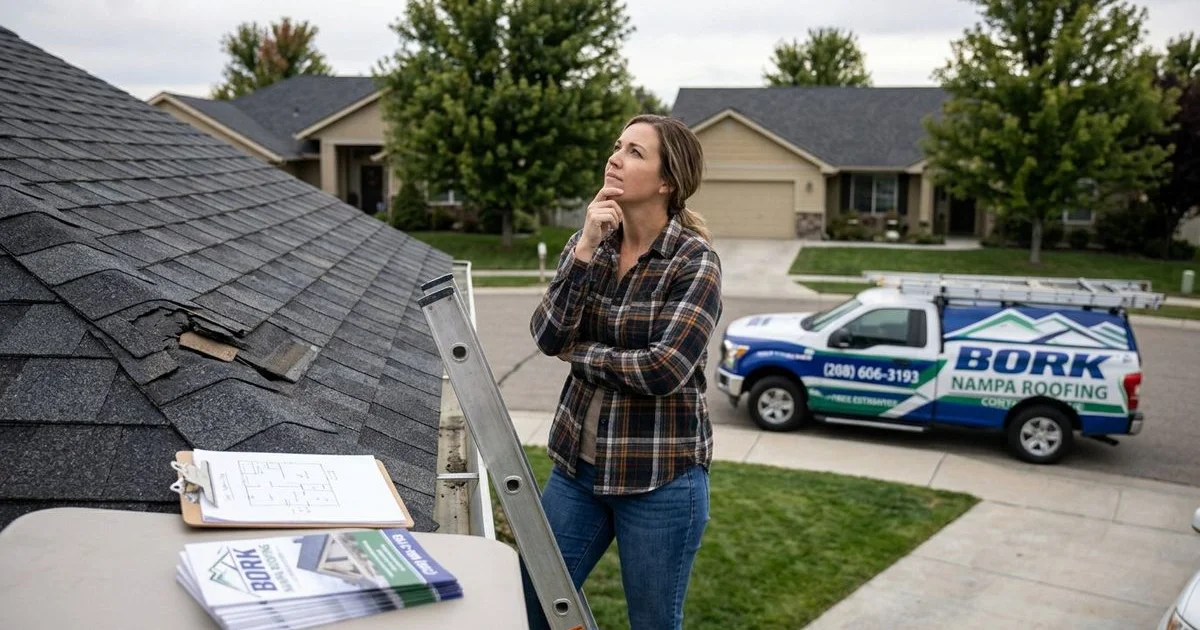
At Bork Nampa Roofing Contractors, we inspect every roof with the same thoroughness whether the homeowner is leaning toward a small repair or a complete replacement. We document our findings with photos and walk you through the options so you can make an informed decision.
Get Your Free Inspection
Whether your roof needs a quick fix or a fresh start, we are here to help you figure that out. Bork Roofing serves homeowners across Nampa, Meridian, Caldwell, and the entire Treasure Valley with honest assessments and transparent pricing.
Call us at (208) 606-3193 or schedule your free inspection online today.

Bork Roofing Team
Licensed Roofing Contractor
Licensed roofing contractors serving Nampa and the Treasure Valley.