The Temptation of DIY Roof Repair
You spot a loose shingle or a bit of rust on your flashing. Your first instinct is probably to grab a ladder. It feels like a Saturday afternoon project that could save you a few hundred dollars. We see this often with homeowners in Nampa who take pride in maintaining their property.
With roofing materials available at the local Home Depot on 12th Avenue and tutorial videos a click away, DIY roof repair seems approachable. But the reality is more nuanced than it appears from the ground.
Some roof repairs are genuinely manageable for a competent homeowner. Others are dangerous, technically complex, or carry hidden risks that can cost you far more than a professional repair would have. Here is how to tell the difference.
When DIY Might Be Appropriate
There are a handful of minor roof maintenance tasks that a handy homeowner can safely handle. If you have the right equipment and no fear of heights, these are your safe zones:
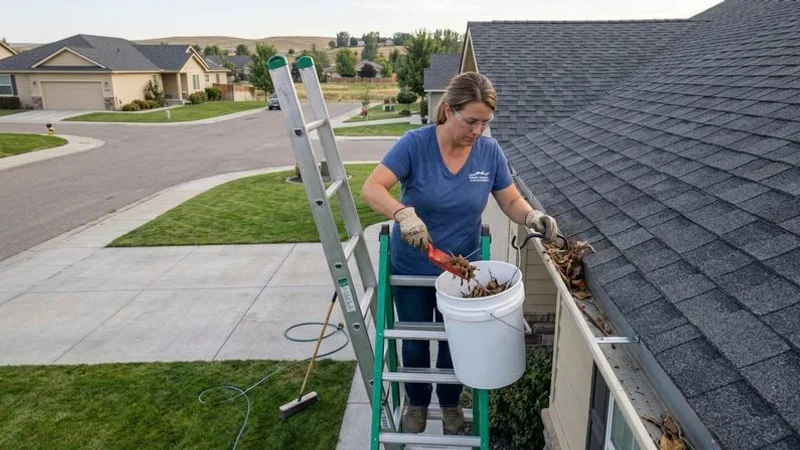
Cleaning gutters and downspouts. Clogged gutters cause water to back up under your roofing material, so keeping them clear is essential. This is something most people can do with a sturdy ladder, gloves, and a scoop.
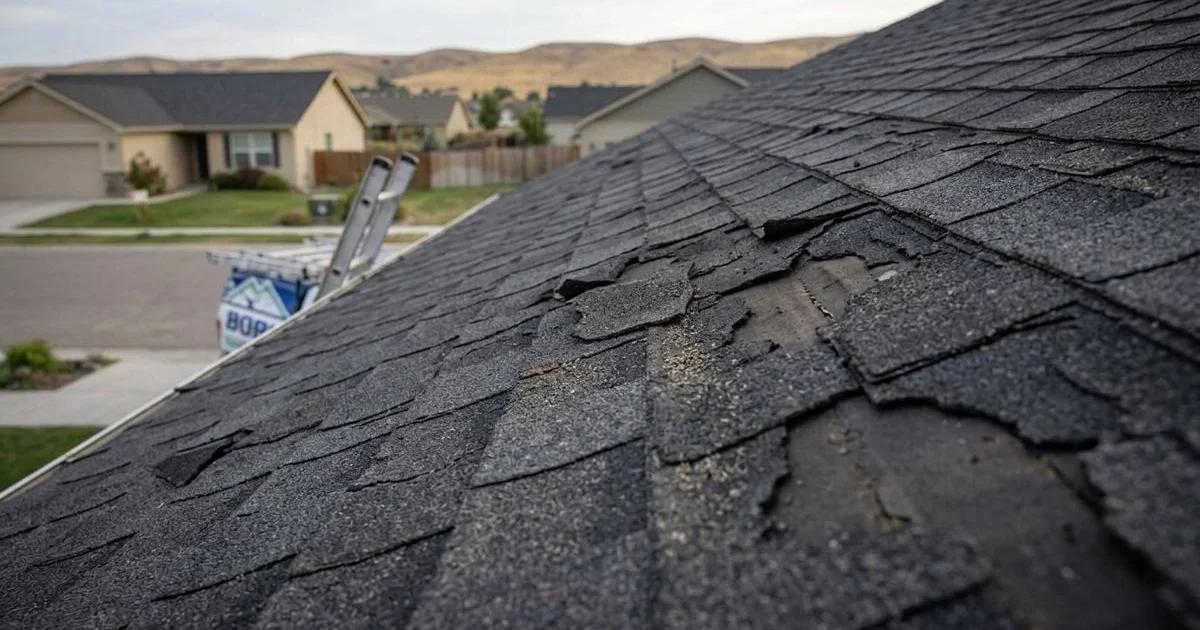
Replacing a single missing shingle. If wind blows off one or two shingles from an easily accessible section of your roof, and you can see that the underlayment and decking below are intact, a simple shingle replacement is straightforward. You need a flat pry bar (not a standard hammer claw), roofing nails, roofing cement, and a matching replacement shingle.
Trimming overhanging branches. Tree limbs that hang over your roof drop debris, retain moisture, and provide a pathway for animals. Trimming them back reduces wear on your roof and is a task you can handle with a pole saw.
Applying caulk to minor flashing gaps. If you spot a small gap in the caulk around a vent pipe or where flashing meets a wall, a tube of roofing sealant can provide a temporary fix until a professional can evaluate the area.
When You Absolutely Need a Professional
The majority of roof repair situations require a licensed contractor. Here is why:
Safety Comes First
Roofing is consistently ranked among the most dangerous occupations in the United States. According to OSHA, falls are the leading cause of death in the construction industry, with falls from roofs accounting for roughly 34 percent of those fatalities.
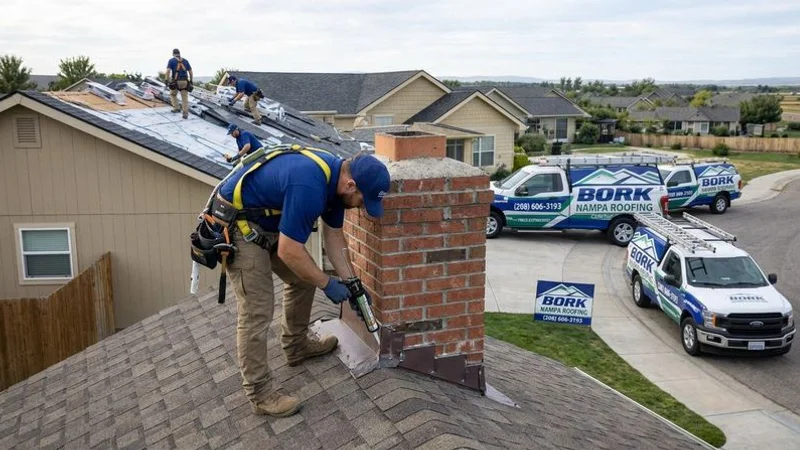
A steep roof, wet shingles, loose materials, and unfamiliarity with proper footing techniques create a recipe for disaster. We train our crews on specific fall protection protocols that go far beyond just being careful. Professional roofers use safety harnesses, toe boards, and anchor points to navigate different roof pitches safely. They also carry workers’ compensation insurance, which protects you from liability if someone is injured on your property.
Leak Detection Requires Experience
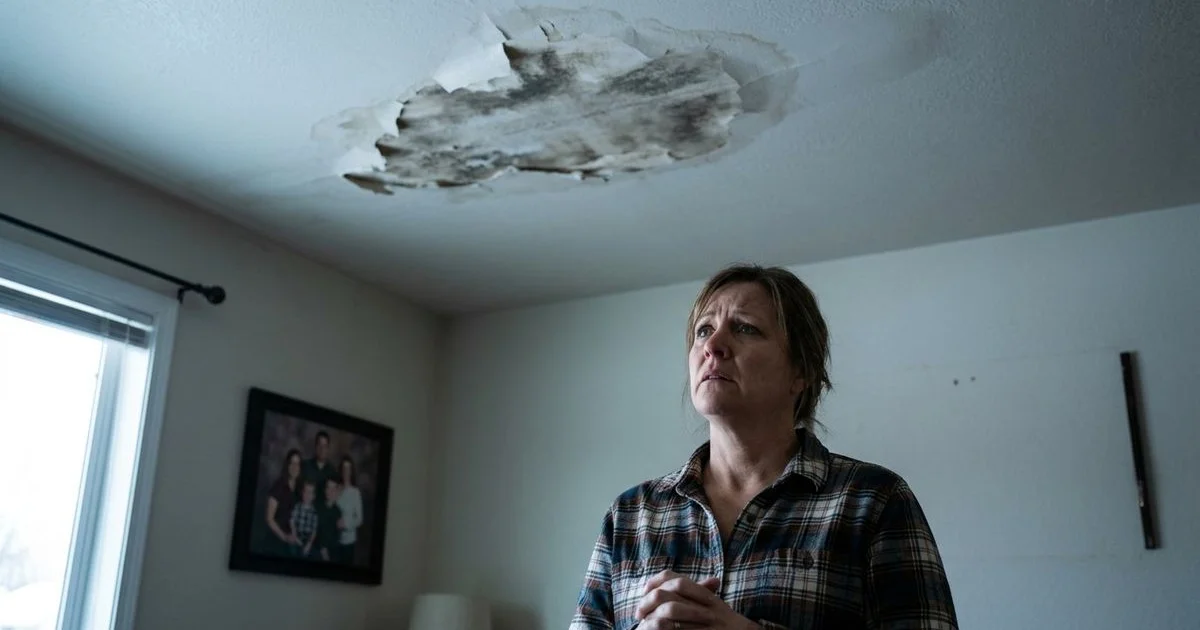
Finding where water enters your home is not as simple as looking for the wet spot on your ceiling. Water obeys the laws of gravity and capillary action, often traveling along rafters, sheathing, and insulation for ten to twenty feet before it shows up as a visible stain.
A professional roofer knows how to trace a leak back to its source and fix the root cause, not just the symptom. Misdiagnosing a leak and applying a surface-level fix often allows water damage to continue unseen. This leads to mold growth, rotted decking, and compromised structural members that cost thousands more to repair later.
Flashing and Valley Repairs
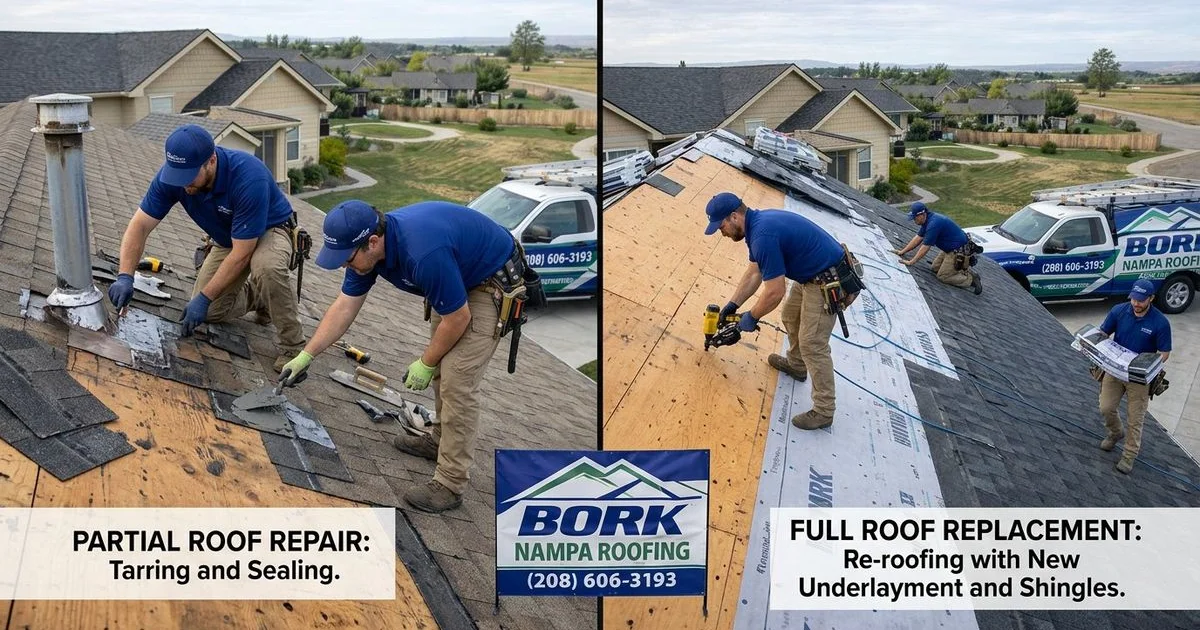
Flashing — the metal pieces that seal joints around chimneys, skylights, walls, and valleys — is one of the most common failure points on any roof. Properly repairing or replacing flashing requires specific metalworking skills.
You must understand the difference between “step flashing” and “counter flashing” to create a watertight seal. A poorly installed flashing repair can actually make leaks worse by redirecting water into areas that were previously dry. This is one repair category where professional expertise is non-negotiable.
Structural Damage Assessment
If your roof has sagging sections, soft spots in the decking, or visible damage from fallen tree limbs, a structural assessment is needed before any repairs begin. What looks like a simple shingle problem from the outside may be concealing damaged rafters, rotten sheathing, or compromised load-bearing connections that require engineered repairs.
Insurance and Warranty Implications
This is the factor many homeowners overlook. If you repair your own roof and something goes wrong, your homeowner’s insurance may deny a future claim. Most policies require that work be performed in a “workmanlike manner” by a licensed contractor to maintain coverage.
Similarly, shingle manufacturer warranties require installation according to their specifications. A simple error like “high nailing” — placing nails too high on the shingle — can void the wind warranty on your entire roof. A GAF Golden Pledge warranty or an Owens Corning Platinum warranty is only valid when the work is done by a certified installer. DIY repairs can void these protections immediately.
The Cost of DIY vs. Professional Repair
Many homeowners choose DIY to save money on labor. However, when you factor in tools, materials, and the risk of errors, the savings often disappear.
Here is a breakdown of 2026 market estimates for a typical minor repair in the Treasure Valley area:
| Expense Category | DIY Cost (Estimated) | Professional Cost (Estimated) |
|---|---|---|
| Materials | $40-$60 (Bundle of shingles + nails) | Included in quote |
| Tools | $150-$200 (Ladder, pry bar, harness) | Included in quote |
| Time/Labor | 4-6 Hours (Plus travel/prep) | $75-$120/hr (Usually 1-2 hours) |
| “Mistake Tax” | $1,500+ (Avg. cost to fix leaks) | $0 (Covered by workmanship warranty) |
| Total First Cost | $190 - $260 | $250 - $450 |
The math changes drastically if a mistake occurs. A professional shingle repair in Nampa typically costs between $250 and $750 depending on the extent of the damage. A flashing repair runs $300 to $1,000. These are manageable costs for most homeowners.
Now consider what a failed DIY repair can lead to:
- Mold remediation: $2,000 to $10,000 depending on extent
- Deck replacement: $75 to $150 per plywood sheet plus labor
- Interior drywall and paint repair: $500 to $3,000
- Voided warranty: Loss of manufacturer coverage worth thousands
- Medical expenses from a fall: Potentially life-altering
Questions to Ask Before Climbing That Ladder
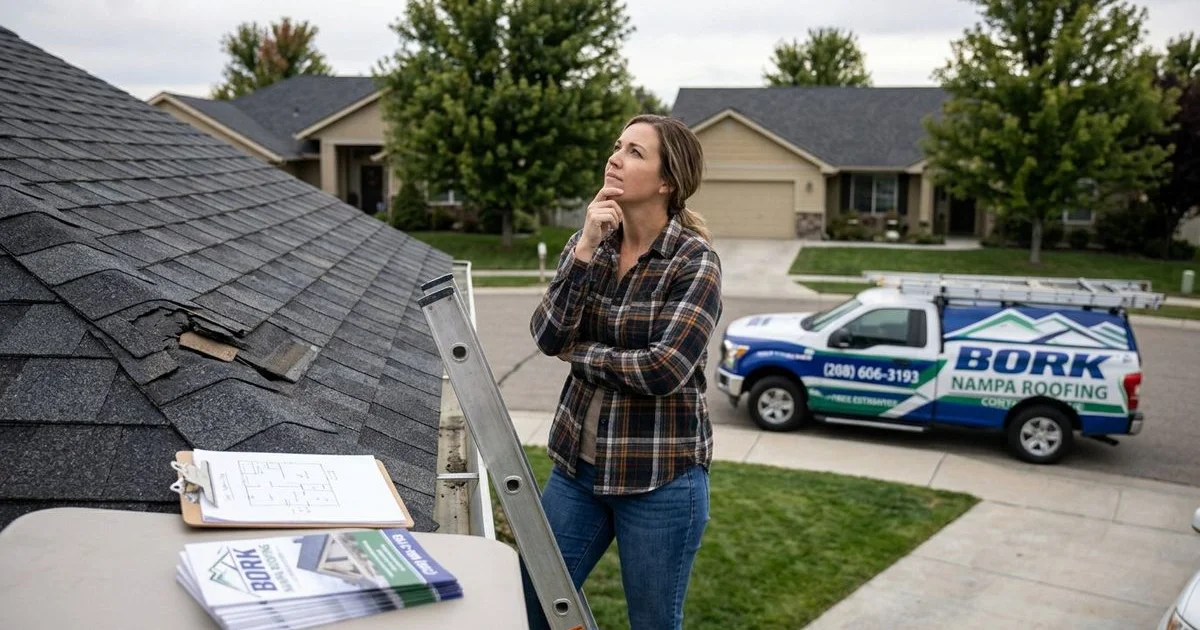
Before you decide to tackle a roof repair yourself, honestly answer these questions:
- Can I safely access the area? If the damaged section is on a steep slope, near a roof edge, or more than one story up, hire a professional.
- Do I understand the root cause? If you are not 100 percent sure what is causing the problem, you need a professional diagnosis.
- Will this affect my warranty? Check your roofing warranty before doing any work yourself.
- Do I have the right tools and materials? Roofing requires more than a hammer and nails. Proper underlayment, flashing, sealants, and matching shingles are all essential.
- Am I comfortable with the risk? If there is any hesitation, that is your answer.
The Smart Approach
For routine maintenance like gutter cleaning and branch trimming, DIY is perfectly fine. For anything involving the roof surface itself — shingle replacement, flashing, leak repair, or structural concerns — calling a licensed roofing contractor is the safer, more cost-effective choice.
Get a Professional Assessment
At Bork Nampa Roofing Contractors, we offer free roof inspections to homeowners throughout the Treasure Valley. If you have noticed a problem with your roof and are unsure whether it is a quick fix or something bigger, let us take a look. We will give you an honest assessment and a clear estimate — no upselling, no scare tactics.
Call (208) 606-3193 or schedule your free inspection online today.

Bork Roofing Team
Licensed Roofing Contractor
Licensed roofing contractors serving Nampa and the Treasure Valley.